low-emission trace-element-managed compounds gamma-aminobutyric acid bulk supply
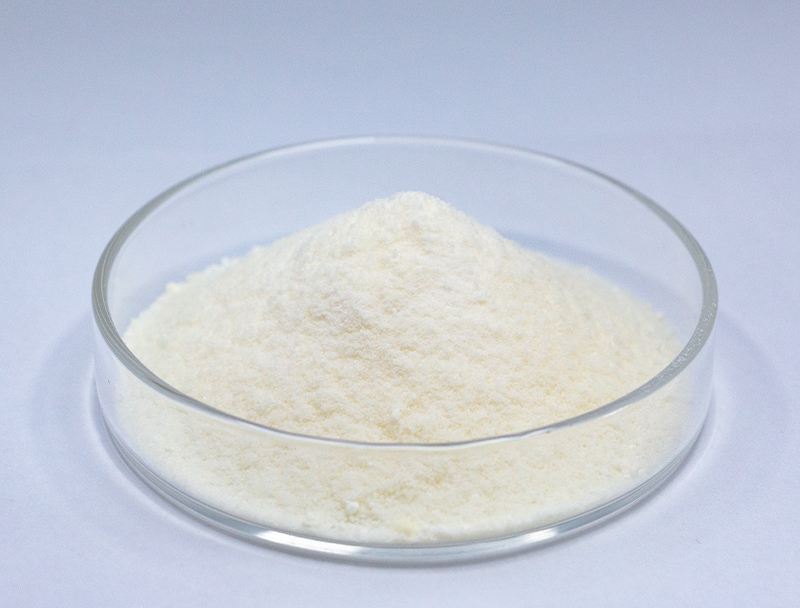
Bioprocessing depends strongly on a broad palette of primary inputs to produce innovative bio-based products.
Preserving sustainably sourced materials dictates persistent stability and principled industry advancement.
several issues arising from typical material sourcing including biodiversity loss and excessive resource use. Hence, stakeholders must deploy sustainable supply practices to minimize environmental costs.
- Cases of responsible feedstock strategies feature:
- Harnessing secondary biomass from farming outputs
- Applying zero-waste frameworks to limit waste and optimize resource use
- Partnering with local suppliers committed to ethical sourcing practices
Shifting to ethical sourcing drives environmental value and long-term commercial viability.
Advancing Biomass Preparation for Elevated Biofuel Production
Optimizing biofuel yields depends strongly on feedstock quality and makeup. Scientists are constantly exploring novel strategies to optimize these feedstocks, facilitating elevated yields and a renewable energy transition. Programs combine genetic improvement for biomass productivity with conversion technologies to access fermentable substrates.
- Similarly, research probes algae, byproduct streams, and harvest remnants as potential sustainable sources to augment biofuel feedstocks.
- Via sustained research the industry stands ready to accomplish considerable improvements that enable a greener energy transition.

Upstream Process Improvements for Modern Biopharma Production
represents the initial stages of biopharmaceutical manufacturing, encompassing all steps from cell culture and cell harvesting Current advancements have streamlined operations and improved bioproduct yields.
Key advancements include the utilization of novel cell lines, optimized culture media formulations, and intelligent bioreactor designs. Such breakthroughs boost efficiency and simultaneously reduce manufacturing costs and carbon burdens.
- Additionally, a shift to integrated continuous operations is providing enhanced flexibility and responsiveness in production.
- This move toward intelligent production systems is expected to reshape the industry and hasten drug development.
Next-Gen Gene Editing for Enhanced Protein Expression
evolutions in genetic modification techniques have optimized therapeutic biosynthesis. By implementing targeted gene changes, investigators boost production titers of important biologics. These methods could enable production of accessible and efficient medicines tackling diverse health challenges.
Leveraging Microbes to Tackle Environmental Pollution
promising microbial strategies enabling effective environmental cleanup and restoration. Microbial species can metabolize and convert hazardous compounds into benign byproducts.. Harnessing microbe-based degradation fosters cleanup tactics that minimize environmental disruption and residual waste.. Research teams analyze microbial diversity to find candidates that metabolize heavy metals, break down pesticides, and treat oil-contaminated matrices.. These microorganisms can be employed in bioreactors or directly at contaminated sites, promoting the breakdown of pollutants through biodegradation processes..
The use of microbial biotechnology in bioremediation offers several advantages over conventional methods. These methods are economical and eco-conscious while reducing hazardous secondary waste. In addition, microbial approaches enable pollutant-specific treatment without broad ecological disruption. The domain advances quickly, concentrating on raising reliability and performance of microbial cleanup methods.
Digital Methods Accelerating Pharmaceutical Discovery
Advanced informatics contributes significantly to today’s drug research environment. From target selection to safety profiling, bioinformatics empowers rapid, data-informed therapeutic design.
- Through mining large genomic, proteomic, and clinical repositories, informaticians reveal new targets and forecast drug behaviors.
- In addition, predictive simulations inform medicinal chemistry efforts to craft more efficacious drugs.
- Finally, bioinformatics is revolutionizing the drug discovery and development process, accelerating the time to bring safe and effective treatments to patients in need.
Pathway Engineering for Greater Bioproduct Yields
applies assorted techniques to boost microbial synthesis of valuable compounds. Strategies involve pathway refactoring by genetic modification, expression modulation for balanced flux, and grafting of novel genes to add capacity.. Through strategic metabolic edits practitioners can markedly increase the synthesis of target products.
This wide-ranging tactic can overhaul industries spanning medicine, agriculture, and energy production.
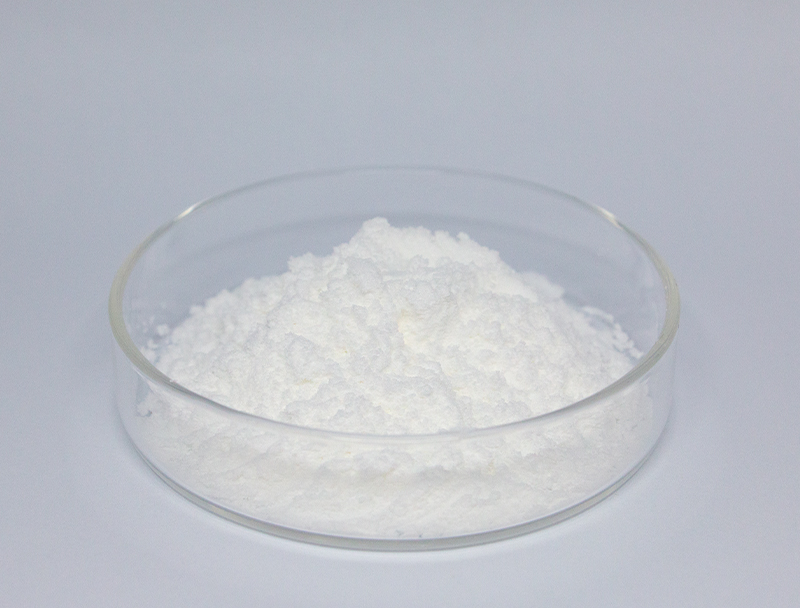
Barriers and Benefits When Expanding Biopharmaceutical Manufacturing
Scaling up biopharmaceutical production presents both significant challenges and exciting opportunities. Keeping consistent product performance at elevated volumes is a significant challenge. Resolving it depends on rigorous control strategies, precise instrumentation, and comprehensive analytics.

Process intricacy spanning various stages creates significant scale-up complexities.. Scaling optimization is a resource-intensive task that calls for substantial innovation and study.. However, the prospective rewards are sizable. Successful industrialization can broaden availability, trim costs, and raise profitability.
Different initiatives are progressing to solve scale-up constraints. Programs comprise advanced optimization systems, real-time process monitoring tools, and innovative production strategies.
- Ongoing innovation drives improvements in industrial production capability.
- Regulatory agencies are working to streamline approval processes for new manufacturing technologies, facilitating innovation in the field.
Charting Regulatory Pathways for Biologics to Safeguard Patients
Bringing biologics to market involves rigorous regulation designed to protect patients and confirm therapeutic benefit. Biologic therapeutics bring unique regulatory and manufacturing demands unlike traditional pharmaceuticals.
Bodies like FDA and EMA shape the regulatory landscape and set benchmarks for evaluating innovative therapies..
Strict validation and testing steps are required across the product lifecycle from lab studies to post-market oversight.. The processes aim to expose risks and ensure that treatments meet exacting safety benchmarks.
In addition, regulatory entities adapt their frameworks to stay current with rapid research and technological developments.. Efforts comprise integrating cutting-edge tools and easing development pathways while upholding patient safety.

Harnessing Plant Feedstocks to Create Biodegradable Plastics
A stronger push for environmentally responsible materials is driving research into renewable options. Plant-based bioplastics made from biomass feedstocks present a hopeful path to reduced plastic impact. Materials such as starch from corn, cellulose pulp, and sugarcane biomass are convertible into biodegradable polymers that lower plastic waste concerns.
Furthermore, these bioplastics often possess comparable properties to their petroleum-based counterparts, making them suitable for a wide range of applications.. Sustained research efforts are necessary to optimize plant feedstocks for mass bioplastic production and enable circularity.
Emerging Biotech Solutions for Health and Food Security
Biotechnology equips researchers with methods to tackle health crises and bolster food availability. Via genetic modification, synthetic design, and therapeutic cell technologies, researchers build solutions to control infections, increase crop productivity, and enrich food quality.. Illustratively, crops altered for pest resistance and stress endurance support increased harvests and diminished pesticide usage.. Concurrently, biotechnology drives development of immunotherapies, antibiotics, and diagnostics that play a key role in controlling diseases and improving health metrics. Going forward, advancements in biotechnology are likely to yield interventions that improve trans-Cinnamic acid health and advance sustainable food systems globally.
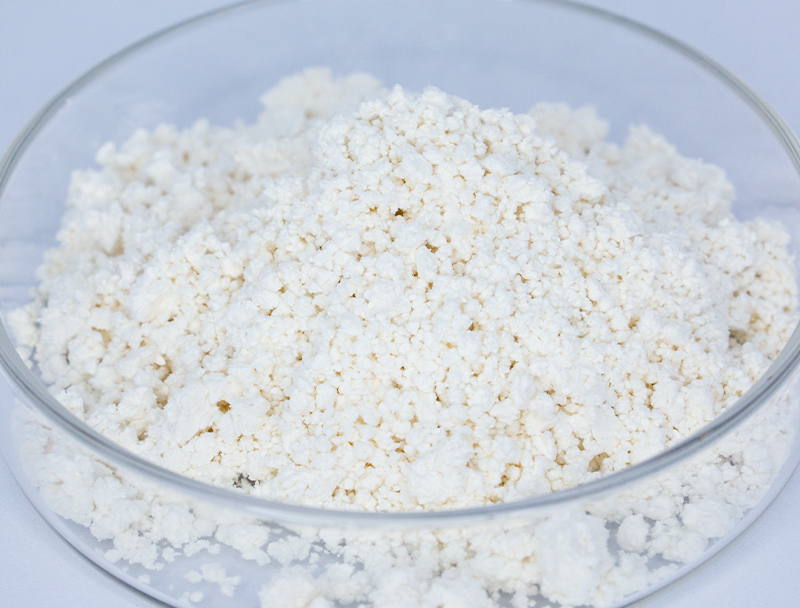 α-Ketoglutaricacid